


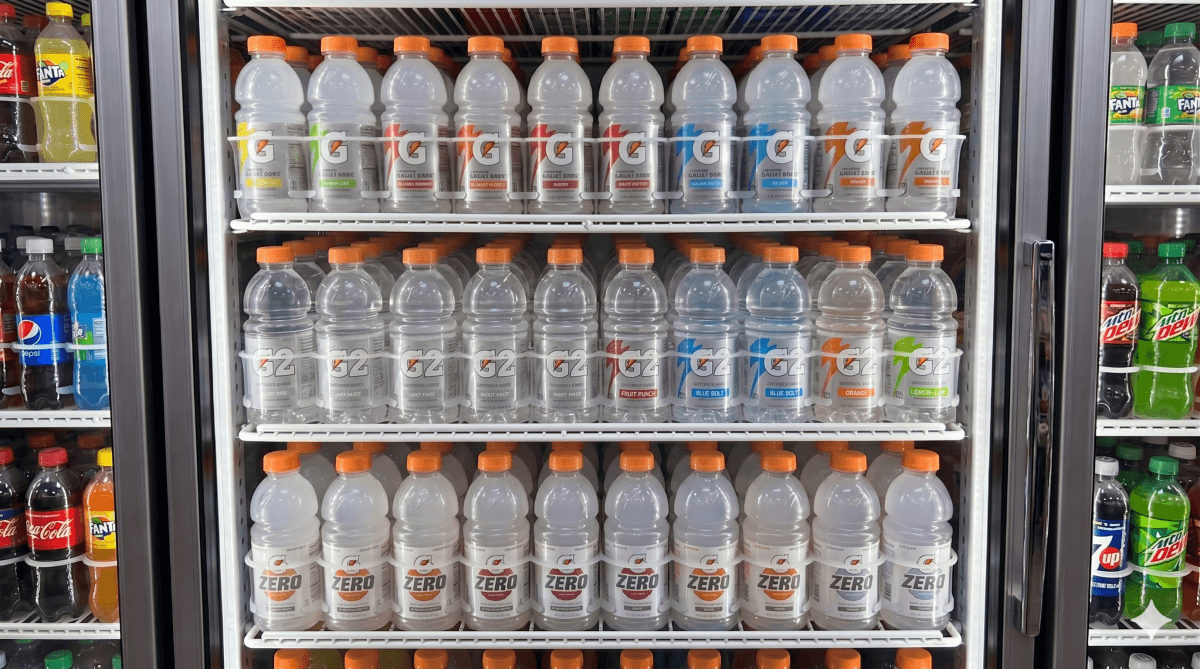
PepsiCo, the multinational food and beverage corporation, is set to remove artificial coloring from its popular Gatorade product line by the end of spring, shifting portions of the sports drink to naturally derived coloring alternatives. This move reflects a broader industry trend toward "clean label" products, as major manufacturers adjust to evolving consumer preferences for fewer artificial additives in packaged foods and beverages.
The decision has drawn attention from various groups, including health advocates and political figures like Robert F. Kennedy Jr., who has been vocal in his calls for increased scrutiny of synthetic food additives as part of his "Make America Healthy Again" messaging. Supporters of Kennedy’s efforts view PepsiCo’s reformulation as a sign of growing consumer influence and interest in greater transparency regarding ingredient labels in packaged foods. However, PepsiCo has publicly stated that its reformulation is not linked to political pressure or specific advocacy campaigns, instead framing the ingredient changes within general industry trends driven by shifting consumer demands.
Gatorade has historically utilized synthetic dyes such as Red 40, Yellow 5, Yellow 6, and Blue 1 to maintain a consistent visual appearance across its extensive product range. These ingredients remain approved by federal regulators in the United States, operating under established safety thresholds. Regulatory agencies continue to affirm that approved additives are safe within permitted limits. Despite this, some consumer groups and advocacy organizations have voiced concerns regarding potential long-term dietary exposure to these dyes and their possible effects on sensitive populations, particularly children. Critics also frequently point out that some of these same synthetic dyes face stricter labeling requirements or outright restrictions in various European countries.
Industry analysts emphasize that undertaking a reformulation of this magnitude for a major brand like Gatorade necessitates extensive operational overhauls. These adjustments span various aspects of the supply chain and production process, including sourcing new ingredients, modifying production systems, and implementing rigorous quality control testing. The primary goal is to ensure that the reformulated products maintain the desired taste, color consistency, and shelf stability across national distribution networks, which is a complex undertaking given the brand's widespread reach.
This shift by PepsiCo is indicative of a wider movement within the packaged food and beverage sector, where companies are increasingly reducing or replacing artificial colors and other synthetic ingredients with naturally derived alternatives. Numerous major brands have quietly made similar adjustments to their formulas in recent years as part of broader product updates aimed at meeting consumer expectations for more natural ingredients.
Advocates for public health, particularly those aligned with messaging from figures like Robert F. Kennedy Jr., argue that such corporate decisions underscore the significant influence that sustained consumer attention on food ingredients can wield. They contend that companies are becoming more responsive to public concerns without necessarily requiring new federal mandates or direct regulatory intervention. Conversely, food safety experts highlight that federally approved additives are subject to long-standing review processes and established safety limits. They note that despite ongoing public debate concerning synthetic dyes, regulatory agencies have not implemented broad changes to their approval statuses.
The implementation of reformulations on this scale can take considerable time, as companies must carefully balance the complexities of ingredient sourcing, maintaining production consistency, and managing consumer expectations. Industry data consistently shows an increasing demand for simplified ingredient lists, a trend particularly pronounced among parents and health-conscious consumers. For instance, the Private Label Manufacturers Association (PLMA) reports that 58 percent of shoppers actively check food labels "all or most of the time," with even higher rates observed among health-conscious individuals who routinely review ingredient information before making purchasing decisions.
PepsiCo’s decision to remove artificial coloring from Gatorade adds to the ongoing public discourse surrounding food policy, the extent of consumer influence, and corporate decision-making within the U.S. food industry. Supporters generally view it as a positive step toward cleaner ingredients, while others describe it as a market-driven adjustment that primarily reflects evolving consumer preferences rather than a fundamental shift in food safety paradigms.

