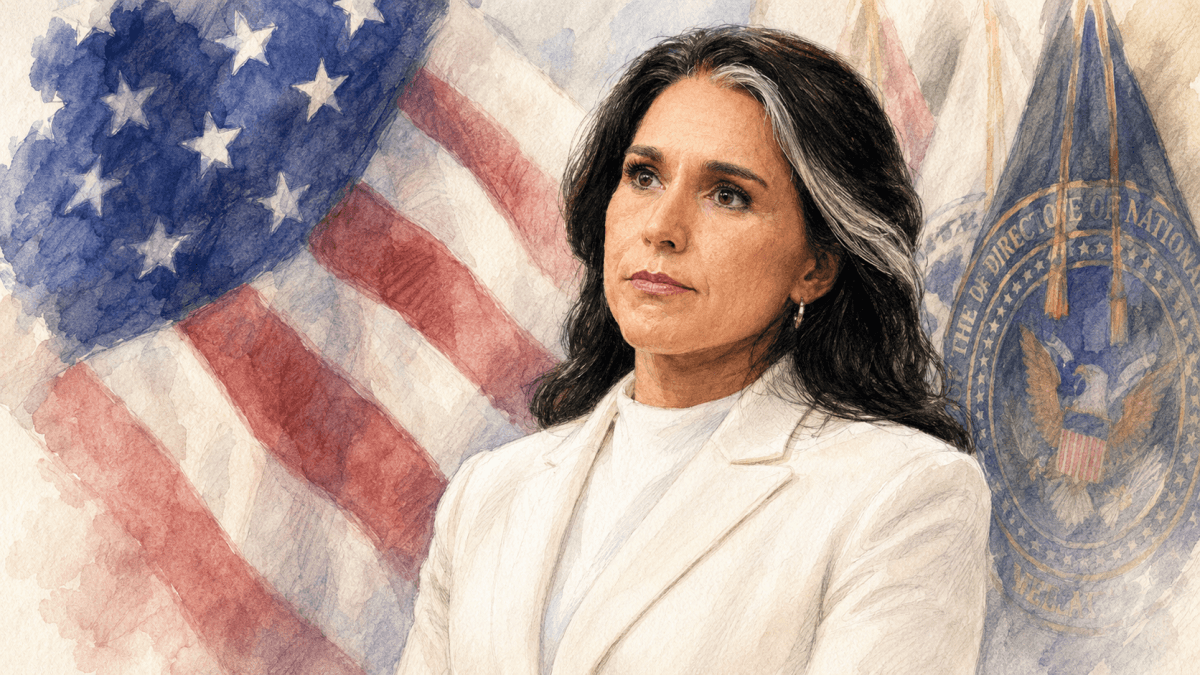
In an abrupt development shaking the upper echelons of Washington, Director of National Intelligence Tulsi Gabbard announced her resignation on Friday afternoon during an Oval Office meeting with President Donald Trump. Her departure, set to take effect on June 30, 2026, concludes a year-and-a-half tenure as the leader of the United States intelligence community. In an official resignation letter obtained shortly after the meeting, Gabbard pointed explicitly to a severe personal crisis as the driving force behind her decision.
"Tulsi has served our country with honor, both on the battlefield and at the highest levels of government. We fully support her decision to put her family first during this trying time and thank her for her fierce dedication to our national security." — Official Statement from the White House Press Secretary
Gabbard disclosed that her husband of eleven years, Abraham Williams, was recently diagnosed with an extremely rare form of bone cancer and faces major challenges in the coming months. Gabbard stated that she could not in good conscience ask him to face the fight alone while continuing to manage the intense demands of her cabinet-level position. While the official narrative anchors her exit entirely to this family health crisis, alternative reports citing sources familiar with the matter have simultaneously surfaced, alleging that shifting dynamics inside the White House may have also accelerated her departure.
Gabbard’s tenure as the country’s top intelligence official was marked by intense scrutiny and systemic friction from the moment she was confirmed in early 2025. A former Democratic congresswoman from Hawaii and an Iraq War veteran, Gabbard had long prided herself on challenging Washington’s conventional foreign policy consensus. This anti-interventionist stance made her a deeply polarizing figure when she was selected to oversee agencies like the Central Intelligence Agency and the National Security Agency. Her supporters viewed her appointment as a necessary disruption to a stagnant bureaucracy, praising her stated goals of increasing transparency, safeguarding civil liberties, and reforming the intelligence community from within. Conversely, critics within the traditional defense and intelligence establishments frequently expressed anxiety regarding her past geopolitical stances, arguing that her unconventional views risked undermining institutional stability and relationships with international allies.
The structural tension underlying her leadership was thrown into sharp relief by several high-profile controversies throughout early 2026. In February, a classified whistleblower complaint filed by an intelligence community employee alleged that highly sensitive information had been handled through irregular channels for political purposes, involving a National Security Agency intercept shared outside normal distribution lines. While congressional allies dismissed the complaint as an effort by career bureaucrats to undermine her authority, the incident fueled ongoing debates regarding the politicization of federal oversight. More recently, in mid-May, social media platforms and alternative media outlets were flooded with rumors concerning an alleged operational rift between the CIA and the Office of the Director of National Intelligence involving disputes over historical records, including files related to the assassination of John F. Kennedy and Cold War-era programs. Although ODNI official spokespersons firmly denied reports of an office raid, the persistent headlines highlighted a turbulent dynamic between Gabbard's executive team and career intelligence operatives.
As Washington absorbs the shock of the announcement, the White House has released an official acknowledgment regarding the transition, emphasizing the administration's support for her family during this difficult period.
For further visual context on the discussions and reporting surrounding the administrative dynamics at the Office of the Director of National Intelligence leading up to this month's events, you can watch this News18 Report on ODNI Historical Files Controversy. This broadcast outlines the intense media scrutiny and administrative tensions that characterized the weeks immediately preceding the Director's resignation.
Sources: Fox News Digital, Reuters, The Guardian, CBS News, Newsweek