


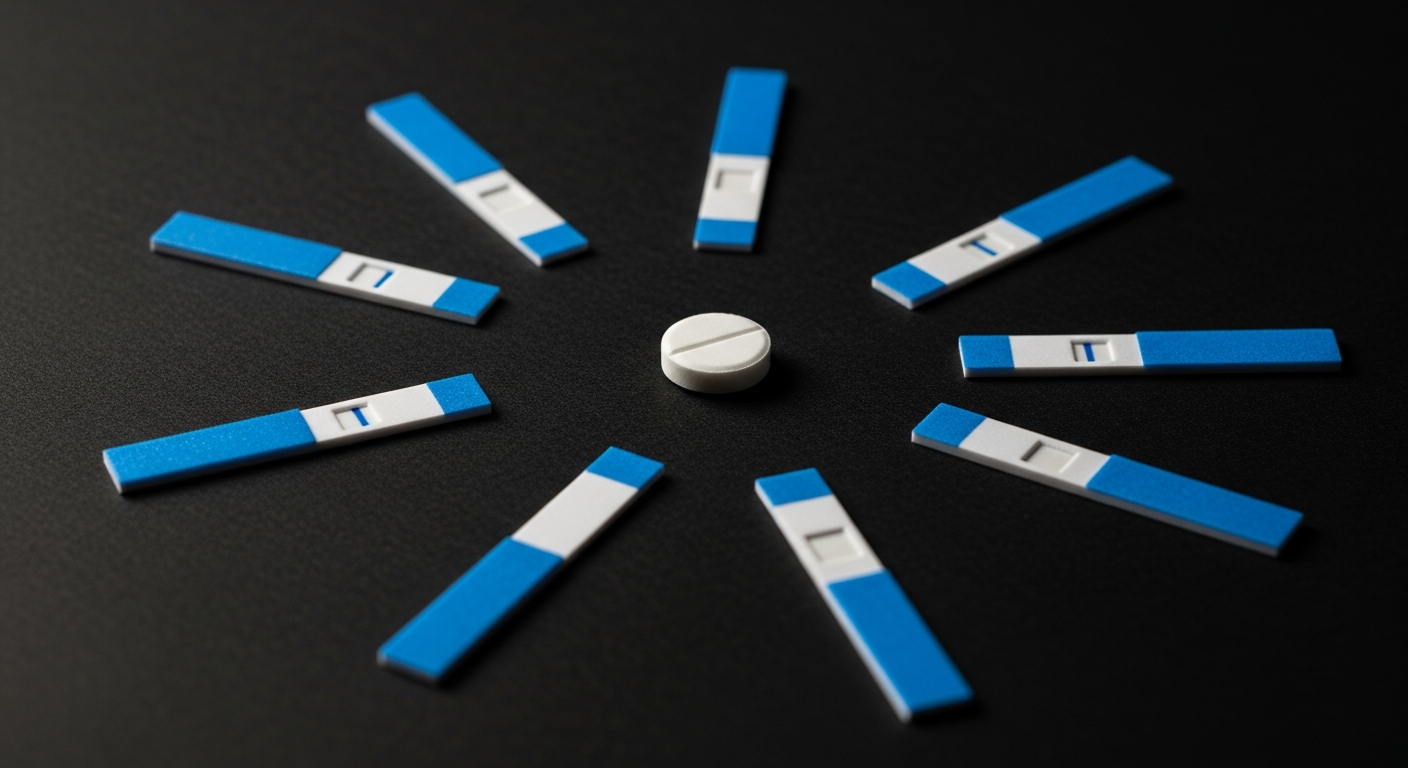
A new synthetic opioid, Cychlorphine, identified as N-Propionitrile Chlorphine, is rapidly emerging as a critical public health threat across the United States. Global health authorities began tracking this chemically manufactured opioid in mid-2024, and its potency, estimated at ten times that of fentanyl, has raised alarms among medical and law enforcement communities. Forensic investigators in Tennessee have already attributed at least 41 deaths across 11 counties to cychlorphine between July 2025 and February 2026, according to a notice released on Monday, April 6, by the Knox County Regional Forensic Center.
"It has never been more dangerous to take street-level drugs than right now." — Chris Thomas, Chief Administrative Officer and Director of the Knox County Regional Forensic Center.
The affected Tennessee counties, spanning a wide geographic area, include Anderson, Blount, Campbell, Claiborne, Grainger, Jefferson, Knox, McMinn, Roane, Sevier, and Union. An additional five deaths are currently undergoing early-stage review, indicating the potential for the death toll to rise. The emergence of cychlorphine is seen as a serious escalation of the already severe public health crisis driven by synthetic opioids, which are the leading cause of overdose deaths in the United States.
Chris Thomas, chief administrative officer and director of the Knox County Regional Forensic Center, highlighted the profound concerns facing his office. "What’s especially troubling is that cychlorphine may have been circulating far longer than we know," Thomas stated in a public announcement. He further elaborated on the uncertainty surrounding the drug's presence, adding, "And I’ve said this before – we don’t know if it’s contained to a limited supply or one bad batch, or if it’s representative of a longer-term shift in the drug supply. That’s what is really concerning." Thomas issued a stark warning to individuals engaging in illicit drug use: "It has never been more dangerous to take street-level drugs than right now."
Early intelligence from forensic investigators suggests China as the likely point of origin for cychlorphine. From there, the drug is believed to have moved through European markets before establishing a presence in the United States. Cychlorphine belongs to a growing class of synthetic compounds known as "orphines" or "orphine analogues." These substances are engineered to mimic the effects of established opioids like morphine while often evading existing drug laws and conventional testing protocols. The drug is typically found on the street in powder and tablet forms and is frequently mixed with other illicit substances, including heroin, significantly increasing the danger for users who may be unaware of what they are consuming.
The Center for Forensic Science Research and Education (CFSRE) issued a national alert in January, detailing an alarming increase in cychlorphine-linked deaths across the United States, as well as in Canada, Europe, and Oceania. As of that January alert, the CFSRE had confirmed the drug’s presence in seven U.S. states: New York, California, Illinois, Nevada, Pennsylvania, Tennessee, and Texas. Since then, Florida, Kentucky, Oklahoma, and South Carolina have each released separate public warnings after confirming cychlorphine activity within their borders. Further toxicology data from Aegis Labs has detected the substance in Arkansas, Indiana, Maine, Maryland, Massachusetts, Missouri, New Hampshire, Ohio, and West Virginia, bringing the total number of states with confirmed presence to approximately two dozen.
The drug presents a compounding detection problem for both first responders and medical examiners. Standard toxicology screening panels used in hospitals and by law enforcement agencies are not designed to identify cychlorphine, according to the Addiction Center. This deficiency means that deaths caused by the substance can go uncategorized or be mistakenly attributed to other causes, potentially obscuring the true scale of the crisis. Even when a cychlorphine overdose is identified, treatment is complicated. Naloxone, the opioid reversal drug marketed as Narcan, may prove less effective against the compound's extreme potency, often requiring multiple doses to produce a therapeutic effect. Like other opioids in its class, cychlorphine overwhelms the body’s respiratory system in minute quantities, leading to unconsciousness or respiratory arrest with alarming speed. Thomas reiterated the possibility that the drug’s presence in American communities could predate current data, given the extended period it may have gone undetected in jurisdictions lacking specialized testing capabilities.

