

Breaking
Sponsor Advertisement
US Attorney Targets Parents After D.C. Teen Brawl
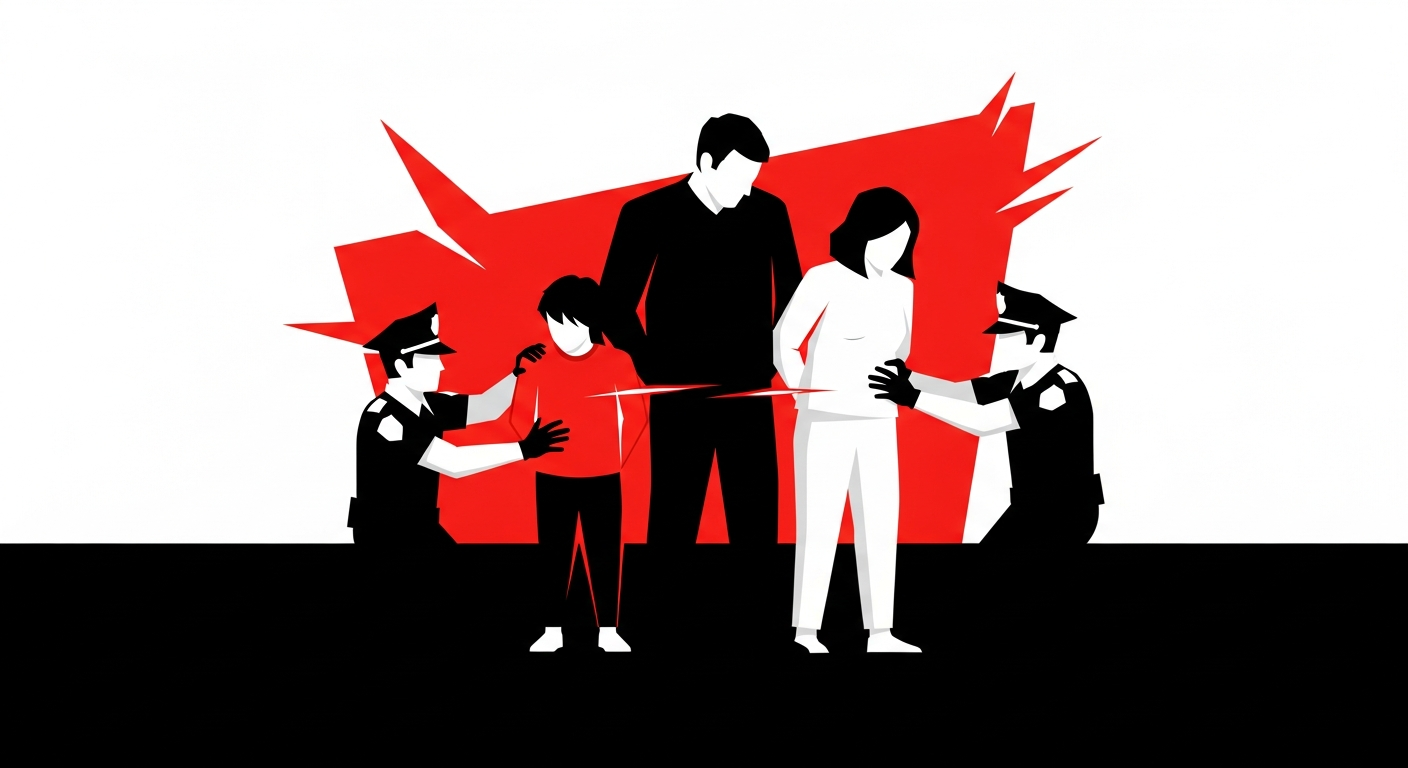
AI-generated image for: US Attorney Targets Parents After D.C. Teen Brawl

US Attorney Targets Parents After D.C. Teen Brawl

U.S. Attorney Jeanine Pirro announced an aggressive new policy to prosecute parents under D.C.'s curfew law for their children's delinquent acts. This announcement came just one day before a large juvenile brawl erupted at a Chipotle restaurant in Washington, D.C.'s Navy Yard.
Jump to The Flipside Perspectives

Washington, D.C. – U.S. Attorney for the District of Columbia, Jeanine Pirro, has initiated a new, aggressive stance on parental accountability, vowing to prosecute adults whose children engage in delinquent behavior under the city’s curfew laws. This policy was announced on Friday, precisely one day before a significant altercation involving multiple juveniles occurred at a Chipotle restaurant in the Navy Yard neighborhood, drawing national attention to the issue of youth delinquency in the capital.

"Parents, you are not a bystander in this crisis. The taxpayers who were footing the bill by extra policing, cleaning up damaged property, suffering the effects of these illegal gatherings, whether it be noise or fights or robberies or chaos, are done starting now." — Jeanine Pirro, U.S. Attorney for the District of Columbia

The incident at the Chipotle, located on the 1200 block of First Street SE, unfolded on Saturday evening during the dinner rush. The Metropolitan Police Department (MPD) received a call at 8:41 p.m. reporting a large fight. Officers, who were already monitoring a nearby group of juveniles, arrived at the scene within one minute. However, by the time law enforcement reached the restaurant, all involved juveniles had already fled.

Social media platforms quickly circulated footage of the brawl, depicting approximately eight adolescents exchanging punches and using restaurant furniture as weapons. Several of the teens in the videos were seen wearing medical masks, an apparent attempt to conceal their identities. Families, some with young children, dining in the restaurant were forced to huddle in a corner as the chaos erupted around them. According to an MPD police report, the confrontation originated as a verbal dispute between two groups of juveniles before escalating into a physical fight. The report noted, "There was no report of injuries or damage."

Chipotle Chief Corporate Affairs Officer Laurie Schalow addressed the incident in a statement, emphasizing the company's commitment to safety. "At Chipotle, the health and safety of our employees and our guests is our highest priority," Schalow stated. "We have zero tolerance for guests who behave recklessly in our restaurants and put others at risk. No team members or guests were physically injured, and we are actively supporting local law enforcement in their investigation of the incident."

The timing of the Chipotle incident brought Pirro’s earlier announcement into sharp focus. On Friday, Pirro declared her office would "aggressively prosecute parents under D.C.’s curfew law," specifically citing the statute that makes it "unlawful for an adult to enable, facilitate, or permit a minor to engage in delinquent acts." Pirro highlighted the Navy Yard and NoMa areas as recurring "trouble zones" for "teen takeovers," which she described as disruptive to neighborhoods, forcing businesses to close, and diverting valuable law enforcement resources.

Pirro articulated the potential consequences for parents who fail to supervise their children. "We’re going to charge them, and if you drop your kid off and you fail to supervise them or you let them skip school to join the chaos, you are going to face fines, court-ordered classes and possible jail time," she warned. She underscored the burden placed on taxpayers, stating, "Parents, you are not a bystander in this crisis. The taxpayers who were footing the bill by extra policing, cleaning up damaged property, suffering the effects of these illegal gatherings, whether it be noise or fights or robberies or chaos, are done starting now." Under D.C. law, adults convicted of contributing to the delinquency of a minor face a maximum sentence of six months behind bars. Pirro confirmed that both the Metro Police and the FBI are actively investigating the ongoing "teen takeover" activity. A follow-up news conference is scheduled, where Pirro will appear alongside FBI Assistant Director in Charge Darren B. Cox of the Washington Field Office.

The U.S. Attorney’s new policy has not been met with universal approval. Advisory Neighborhood Commissioner Nic Wilson, representing the Navy Yard area, expressed skepticism regarding the efficacy of increased law enforcement and parental prosecution. Wilson argued that such an approach contributes to the very problems it seeks to solve. "Policing and putting people in jail is actually kind of how we got to where we’re at now," Wilson stated, according to WJLA. "There’s no one at home because they got locked up and thrown in jail. We’re not going to police our way out of this situation." Wilson further characterized Pirro's strategy as "federal overreach."

Conversely, some residents supported the call for greater parental involvement. Ken Ledet, a Navy Yard resident who frequents the Chipotle several times a week, expressed disappointment but not surprise at the Saturday incident, noting such scenes have become routine on weekends. Ledet emphasized, "I really think people’s parents need to get more involved and understanding where their children are." The ongoing debate highlights the complex challenges facing urban communities grappling with youth delinquency and public safety concerns.

Advertisement

The Flipside: Different Perspectives

Progressive View

While the desire to address youth delinquency and ensure public safety is understandable, U.S. Attorney Pirro's strategy of prosecuting parents under D.C.'s curfew law risks exacerbating existing systemic inequalities rather than solving the root causes of youth misconduct. Focusing solely on punitive measures against parents, including potential jail time, often disproportionately impacts low-income families and communities of color who may already face significant challenges, including lack of access to childcare, safe after-school programs, and economic opportunities.

Criminalizing parental negligence overlooks the complex social and economic factors that contribute to youth involvement in disruptive activities. Issues such as inadequate public resources, underfunded schools, lack of accessible youth centers, mental health challenges, and the impact of community violence can all play a role. Punishing parents without addressing these underlying systemic issues is akin to treating a symptom while ignoring the disease.

Moreover, the argument that "policing and putting people in jail is actually kind of how we got to where we’re at now," as expressed by Advisory Neighborhood Commissioner Nic Wilson, holds significant weight. A cycle of incarceration can destabilize families, further entrenching poverty and making it harder for parents to provide a stable environment for their children. A more equitable and effective approach would involve investing in community-based solutions, restorative justice programs, youth mentorship, and robust social services that support families and provide positive alternatives for young people, fostering collective well-being rather than relying solely on punitive legal action.

Conservative View

The U.S. Attorney's decisive action to prosecute parents whose children engage in delinquent behavior reflects a necessary return to fundamental principles of personal responsibility and law and order. For too long, communities have grappled with the consequences of unchecked youth misconduct, often at the expense of law-abiding citizens and local businesses. This policy rightly places accountability where it belongs: with the adults entrusted with raising and supervising minors.

The concept of "contributing to the delinquency of a minor" is not new, but its aggressive enforcement is a welcome development. It reinforces the idea that parental rights come with significant responsibilities. When parents fail to instill discipline or adequately monitor their children, leading to public disturbances, vandalism, and assaults, they should face legal consequences. This approach aligns with the conservative belief that strong families and communities are built upon individual accountability and adherence to the law.

Furthermore, the policy aims to deter future incidents by creating a clear disincentive for parental negligence. The financial burden of "extra policing, cleaning up damaged property" falls on taxpayers, and holding negligent parents responsible helps protect public resources and maintain civic order. This is not "federal overreach" but rather a necessary exercise of federal authority to ensure public safety in the nation's capital, upholding the rule of law and protecting the rights of citizens to live and work in peace.

Common Ground

Despite differing approaches, both conservative and progressive viewpoints share a fundamental concern for the safety and well-being of communities and young people. There is a common recognition that disruptive youth behavior, such as the incident at Chipotle, is unacceptable and negatively impacts residents and businesses. Both sides agree that children need structure, guidance, and safe environments to thrive, and that parents play a crucial role in providing this.

Areas of potential collaboration could include supporting community-led initiatives that offer positive engagement opportunities for youth, such as after-school programs, mentorship, and recreational activities, which can provide alternatives to unsupervised gatherings. There is also shared ground in advocating for responsible parenting, with a focus on education and resources for parents who may struggle with supervision or understanding relevant laws.

Furthermore, both perspectives can agree on the importance of efficient and effective allocation of law enforcement resources. While conservatives might emphasize aggressive prosecution, and progressives might push for de-escalation and community policing, both can agree that police should be able to respond effectively to genuine threats to public safety. Finding solutions that both hold individuals accountable and address systemic challenges through a multi-faceted approach – combining enforcement with robust community support and intervention programs – could lead to more sustainable and equitable outcomes for everyone.

What's your view on this story? Share your thoughts and remember to consider multiple perspectives and being respectful when forming and voicing your opinion. "If you resort to personal attacks, you have already lost the debate..."

Advertisement

Contact Us About This Article

Have a question or comment about this article? We'd love to hear from you.

About Fair Side News

At Fair Side News, we believe in presenting news with perspectives from both sides of the political spectrum. Our goal is to help readers understand different viewpoints and find common ground on important issues.