


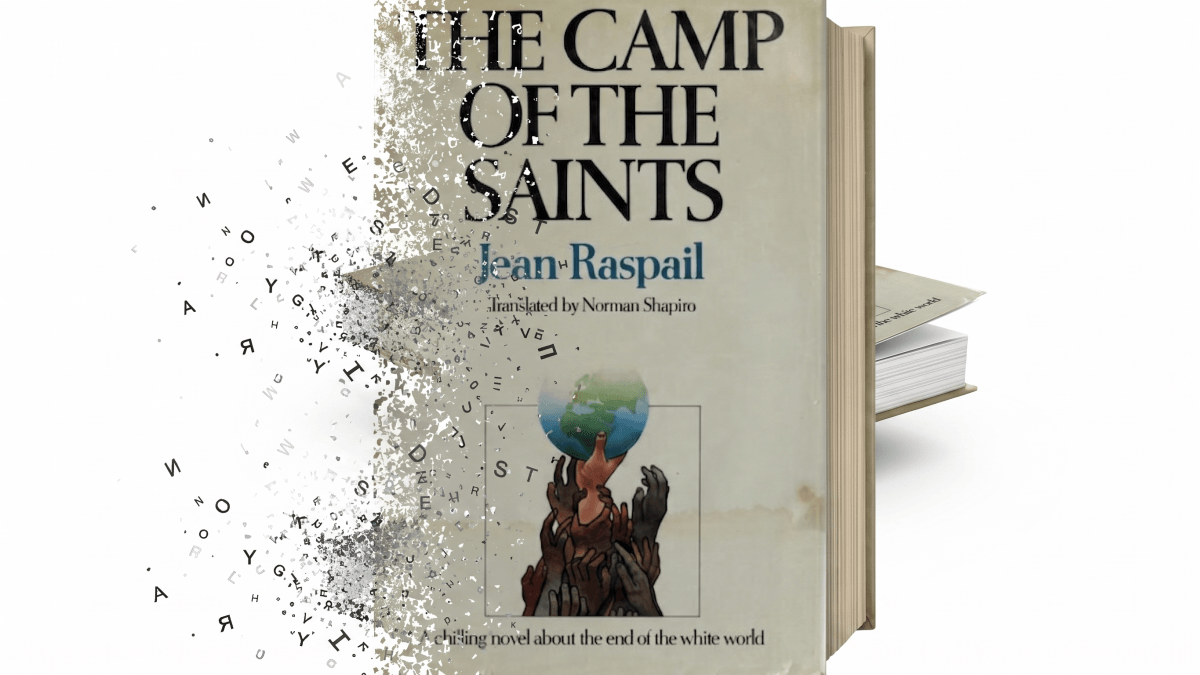
Amazon has removed the paperback listing for Jean Raspail’s 1973 novel *The Camp of the Saints* from its U.S. online store, a move that has reignited widespread debate over content moderation policies on major digital platforms. The decision, which occurred in mid-April, specifically targeted the 2025 English paperback edition published by Vauban Books. Amazon informed the publisher that the removal was due to its "offensive content" policy, though it did not specify which passages or elements of the book violated the guidelines.
"Amazon just censored a book first published in 1973 that depicts the destruction of the west through third-world mass migration. I'm sure all the people who whine about 'book bans' when a school board prevents 6-year-olds from reading about gay sex will be just as upset." — Theo Wold, Commentator
According to Ethan Rundell, editor-in-chief at Vauban Books, the company had been selling the paperback edition since July 2025 and had distributed approximately 20,000 copies before the listing was taken down. Rundell noted that Kindle and audiobook versions of the novel remained available on Amazon's U.S. platform, and the paperback could still be purchased through Amazon’s Canadian marketplace at the time of the removal. The inconsistency in availability across formats and regional stores has added to the complexity of the discussion surrounding Amazon's decision.
*The Camp of the Saints*, originally published in France, is a dystopian novel that depicts a mass migration into Western Europe and the subsequent collapse of established institutions under demographic pressure. Since its initial release, the book has been highly controversial. It has been lauded in some intellectual and political circles as a cautionary work that examines the fragility of Western institutions, while simultaneously being sharply criticized by others as xenophobic in its tone and content, according to reports from The Federalist. The novel’s themes of immigration, cultural change, and national identity have kept it at the center of ideological debates for decades.
Rundell suggested that the timing of Amazon's removal might be linked to renewed attention the book has received in recent media coverage and political commentary. However, Amazon has not publicly confirmed any external factors influencing its decision, nor has it provided further details beyond its general "offensive content" policy citation.
The removal quickly drew criticism from conservative commentators, who view Amazon's action as part of a broader pattern of uneven enforcement by major technology companies. Jack Posobiec, a prominent commentator, described the move as an example of selective application of "offensive content" standards. He argued that numerous other titles with comparable or more explicit material often remain widely available across various platforms without facing similar restrictions. Nathan Pinkoski, a senior fellow at the Centre for Renewing America, offered a different interpretation of the novel's core message, arguing that it should be understood as a broader commentary on civilizational decline and cultural resilience rather than solely focusing on racial conflict, as reported by Trending Politics.
Others maintain that the novel remains inherently divisive, particularly due to its vivid imagery surrounding large-scale migration and societal breakdown. This imagery has ensured its persistent presence in disputes over its accessibility in mainstream retail channels. The controversy highlights the significant role that large digital retailers like Amazon play in determining which books reach mass audiences. Given Amazon's substantial share of the U.S. book market, its content decisions carry considerable weight, particularly for independent publishers and niche titles.
For critics of Amazon's decision, the removal raises concerns about the definition and practical application of policy terms such as "offensive content." They question the transparency and consistency of enforcement. Conversely, supporters of stricter moderation standards argue that Amazon's action reflects a company responsibly enforcing its guidelines across sensitive material categories to maintain a safe and inclusive platform.
Vauban Books has stated its intention to continue distributing *The Camp of the Saints* through alternative channels if Amazon does not reinstate the listing. The publisher emphasized its commitment to keeping the title in print and available to readers, despite the platform restrictions. As of now, the novel remains available through other retailers, but its absence from Amazon’s U.S. paperback listings continues to fuel broader discussions over platform control, publishing access, and the evolving boundaries of acceptable content in the digital marketplace.

