

Breaking
Sponsor Advertisement
Viral Interview Highlights North Korean IT Infiltration
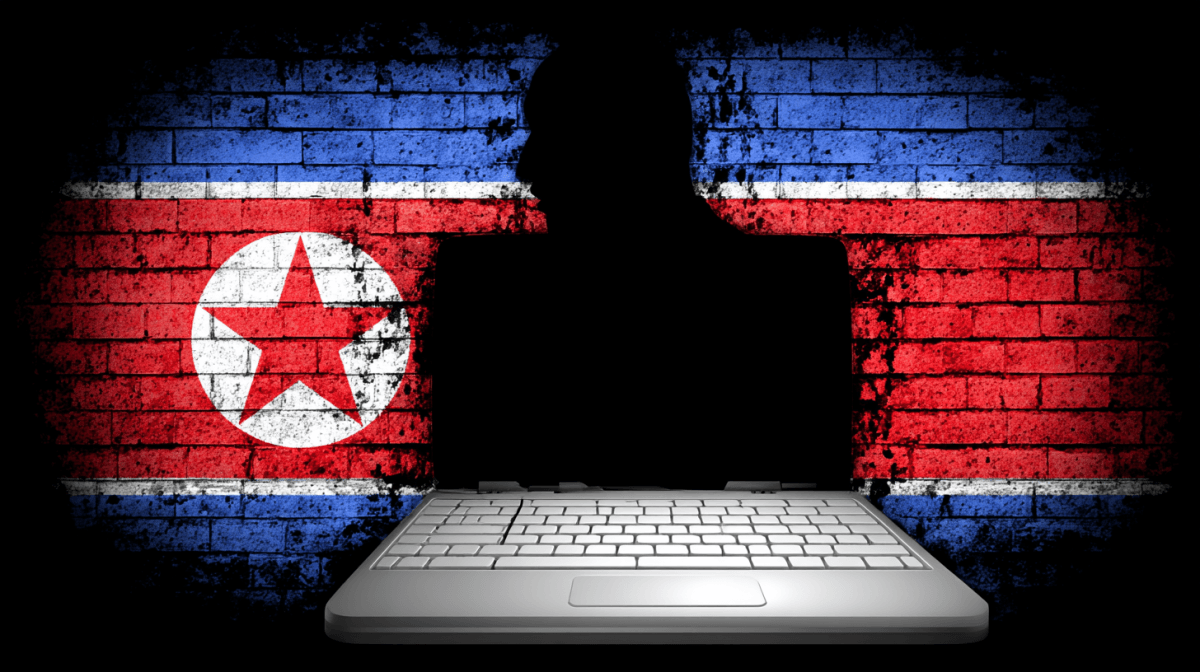
AI-generated image for: Viral Interview Highlights North Korean IT Infiltration

Viral Interview Highlights North Korean IT Infiltration

A viral video demonstrates a unique verbal challenge utilized by hiring managers to identify potential North Korean IT operatives seeking remote employment with Western companies.
Jump to The Flipside Perspectives

A recent viral video circulating on the platform X has brought renewed attention to a persistent national security concern: the infiltration of Western technology companies by North Korean IT operatives. The footage captures a remote job interview where a hiring manager posed an unusual verbal test to an applicant, revealing a detection method that has reportedly circulated among security professionals for some time.

"Here is a video of a North Korean IT worker being stopped dead in their tracks upon being required to insult Kim Jong Un.It won't work forever, but right now it's genuinely an effective filter. I'm yet to come across one who can say it." @tanuki42_, X User

The incident, which has garnered significant attention, shows a hiring professional instructing an individual, presenting as a qualified IT candidate, to state aloud, "Kim Jong Un is a fat ugly pig." According to the clip, the applicant visibly hesitated, appeared to claim misunderstanding or an inability to hear the request, and then disconnected from the video call entirely, leaving the interview unfinished. This exchange quickly became a real-world example of a tactic that, while known, has rarely been publicly documented as successfully identifying an operative.

The effectiveness of this specific verbal challenge is rooted in North Korean law and its severe penalties for any perceived insult or disrespect towards the supreme leader, Kim Jong Un. For individuals operating under the direct influence or within the borders of the regime, uttering such a phrase carries significant psychological and legal risks, creating a powerful deterrent.

The broader context for this issue involves sweeping economic sanctions imposed on North Korea by the United States, European governments, and other international bodies. These sanctions are a direct response to the regime's continued development of nuclear weapons and ballistic missiles, which violate international law. A key component of these sanctions is the prohibition on Western businesses from employing North Korean nationals, making their infiltration into workforces a sanctionable offense.

Despite these prohibitions, law enforcement and national security officials in the U.S. and Europe have repeatedly warned that North Korean operatives have successfully secured remote positions at hundreds of Western companies. These operatives typically achieve this by submitting fraudulent resumes, fabricating alternative national identities, and leveraging sophisticated networks to circumvent detection. In some documented cases, American citizens have allegedly collaborated with these schemes, assisting North Korean workers in disguising their true origins and navigating the hiring process.

The scale and persistence of these infiltration efforts represent a significant ongoing economic security threat, particularly within the technology sector. The operatives are often highly skilled IT professionals, and their employment can lead to intellectual property theft, cyber espionage, and the funneling of illicit funds back to the North Korean regime, thereby circumventing sanctions and supporting its weapons programs.

While the verbal challenge highlighted in the viral video offers a glimpse into creative screening methods, security experts caution that it is not a foolproof solution. North Korean IT operatives based in countries like China or Russia often operate with considerably more autonomy than those working directly from North Korea. This reduced oversight in external environments means some individuals may be willing or able to pass such a test without hesitation, limiting its reliability as a standalone screening tool.

The incident serves as a stark reminder of the complex challenges faced by Western companies and national security agencies in countering state-sponsored illicit activities. It underscores the continuous need for vigilance, robust vetting processes, and adaptive strategies to protect critical infrastructure and intellectual property from foreign adversaries seeking to exploit vulnerabilities in global remote work environments. The viral clip has sparked discussions across social media and among cybersecurity professionals about the evolving nature of such threats and the innovative, albeit unconventional, methods being deployed to counteract them.

Advertisement

The Flipside: Different Perspectives

Progressive View

From a progressive viewpoint, this incident, while showcasing a security threat, also brings to light the complex human element within the broader geopolitical context. The North Korean regime's severe repression and human rights abuses create an environment where individuals are compelled to act under extreme duress, making the "choice" to insult their leader a life-threatening decision. While acknowledging the imperative to enforce sanctions and protect national security, progressives might also emphasize the systemic nature of North Korea's illicit activities, driven by a desperate regime facing international isolation. The situation calls for a nuanced approach that addresses the root causes of North Korean aggression, including diplomatic engagement and humanitarian considerations, rather than solely focusing on reactive security measures. Furthermore, the exploitation of individuals through forced labor or coerced participation in illicit schemes highlights the ethical dilemmas faced by those caught between survival and state demands. It underscores the need for international cooperation to address human rights issues within North Korea and to explore comprehensive strategies that do not inadvertently punish individuals who are themselves victims of a brutal dictatorship.

Conservative View

From a conservative perspective, the incident highlights critical issues of national security, economic protection, and the rule of law. The infiltration of Western companies by North Korean operatives represents a direct challenge to U.S. and international sanctions, undermining efforts to curb North Korea's nuclear ambitions. This situation underscores the importance of robust border security, not just physical, but digital, to protect national interests and corporate intellectual property. Companies, as individual entities operating within a free market, bear a significant responsibility to implement stringent vetting processes to ensure their workforce is not unwittingly supporting hostile foreign regimes. Failure to do so not only risks corporate assets but also potentially aids adversaries. Conservatives emphasize that upholding sanctions is a vital tool of foreign policy, projecting strength and deterring rogue states. The cleverness of the verbal test, while unconventional, speaks to the ingenuity required to enforce these policies when traditional methods are circumvented. This is about defending national sovereignty and ensuring that American economic activity does not inadvertently fund those who threaten global stability.

Common Ground

Both conservative and progressive viewpoints can agree on the fundamental necessity of protecting national security and safeguarding Western businesses from illicit state-sponsored activities. There is shared concern regarding North Korea's nuclear program and the imperative to prevent funds from reaching the regime through sanctions evasion. Both sides can support robust intelligence sharing and collaboration between government agencies and the private sector to identify and mitigate these threats. Protecting intellectual property and preventing cyber espionage are common goals, irrespective of political leanings. Furthermore, there is broad agreement that companies must exercise due diligence in their hiring practices, especially in remote work environments, to avoid inadvertently aiding hostile foreign powers. The development of effective, albeit innovative, screening methods to counter sophisticated infiltration tactics is a shared priority to maintain economic stability and national security.

What's your view on this story? Share your thoughts and remember to consider multiple perspectives and being respectful when forming and voicing your opinion. "If you resort to personal attacks, you have already lost the debate..."

Advertisement

Contact Us About This Article

Have a question or comment about this article? We'd love to hear from you.

About Fair Side News

At Fair Side News, we believe in presenting news with perspectives from both sides of the political spectrum. Our goal is to help readers understand different viewpoints and find common ground on important issues.